
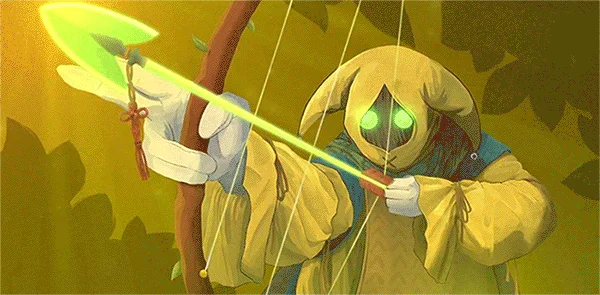
The Fool is the new bow-wielding character in the November 12 public beta. For a first run, learn arrow recovery and the melody indicators before committing to a card package. These are the two systems players repeatedly ask about in the launch discussion.[1][2]
On this page
Learn arrows during the first combats
Early players describe shooting an arrow and then recovering or dislodging it for another shot. Inspect both the attack and the recovery card while the encounter is simple. Follow where the arrow goes after an attack and which available action brings it back into use.[2]
A useful first-run exercise is to plan the attack and recovery together before spending the turn’s energy. If the recovery action is unavailable, inspect your remaining cards and defenses before committing to another arrow-dependent plan.[3]
Read the melody names and indicators
Players highlight the melody names in card titles and the active-turn indicator as essential reading. Put cards that enable a melody and cards that benefit from it next to one another in your turn plan. Recheck the indicator at the start of the following turn.[3]
Some replies compare the new system to familiar stance interactions. The practical detail to observe is which conditions your cards require during the current turn. That makes a card’s actual result easier to understand than a broad character comparison.[2]
Choose a manageable first deck
Start with a small set of interactions you can explain. Keep track of damage, protection and the resources needed to repeat your plan. Add a more elaborate package when the enabling cards and its payoff are already visible in your pool.[3]
The first strength discussions describe high early damage and powerful combinations, while some commenters are still progressing through lower Ascensions. Compare reports against the run’s Ascension, unlocks and supporting cards when deciding whether a recommendation fits your current profile.[4]
When a run stops before the first fight
A blocked Neow reward selection is a technical symptom. Use the dedicated Neow troubleshooting guide to isolate that screen before changing your combat strategy.[5]
Sources & verification
Facts last checked Nov 13, 2026. Checking a source does not change the page’s update date.
- Beta Patch Notes - v0.113.0 Mega Crit · official · Published 2026-11-12 · Checked Nov 13, 2026
Full announcement checked through Valve ISteamNews. Applies to public-beta v0.113.0.
Original language: en - New Character - The Fool! OkConfection6398 and replies on r/slaythespire · community · Published 2026-11-12 · Checked Nov 13, 2026
First-run observations about arrows, melodies and early damage.
Original language: en - Forget the Fool's tuning for a minute mrgongle and replies on r/slaythespire · community · Published 2026-11-13 · Checked Nov 13, 2026
Player feedback about melody visibility and arrow interactions.
Original language: en - So how strong is the Fool really? Absolutelynot2784 and replies on r/slaythespire · community · Published 2026-11-12 · Checked Nov 13, 2026
Early opinions with differing Ascension experience, not a measured tier ranking.
Original language: en - Fool not working for anyone else? BleedingEdge61104 and replies on r/slaythespire · community · Published 2026-11-12 · Checked Nov 13, 2026
MessesofMike reports disabling Jorbs Spirebird resolved bonus selection. The original poster confirms the same cause.
Original language: en
Page history
Reviewed official v0.113.0 notes and linked player discussions on 2026-11-13.
A source and a little context help us keep this guide useful.